
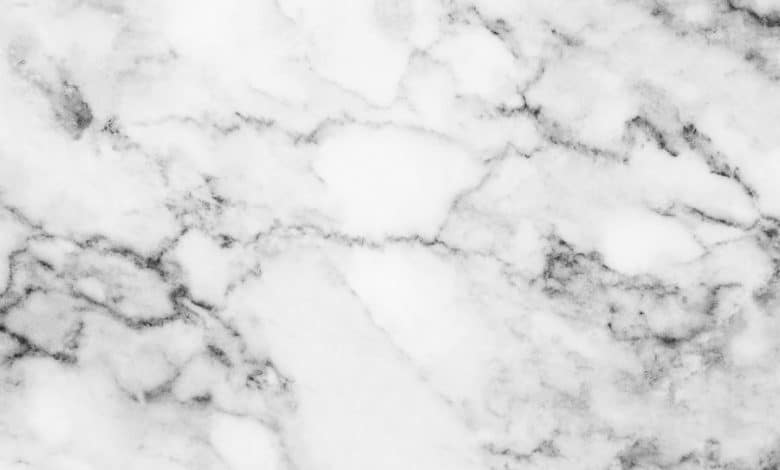
Turkey has long been recognized as one of the world’s most significant sources of exquisite natural stones. Among these treasures, turkish marble holds a prominent place for its elegance, versatility, and durability. For centuries, marble from Turkey has been admired for its pristine quality and timeless aesthetic, gracing architectural masterpieces, luxurious hotels, and private residences around the globe. The country’s unique geological composition provides a diverse palette of colors and patterns, allowing architects and designers to express creativity while maintaining a connection to natural beauty.
The story of Turkish marble begins deep within the earth, where mineral-rich layers form under intense heat and pressure over millions of years. These natural processes result in a material that is both durable and visually captivating. Whether used in flooring, cladding, countertops, or sculptures, this stone adds a touch of sophistication that few other materials can match. Its ability to complement both classical and contemporary designs makes it an essential choice for high-end architectural projects.
One of the most famous varieties of marble from Turkey is afyon white marble. This stone, sourced primarily from the Afyon region in western Turkey, is renowned for its pure white background and subtle gray veining. Its translucency and uniform texture make it a preferred material for luxury interiors, especially in bathrooms, hotels, and monuments. Historically, Afyon white was used by ancient civilizations for temples and sculptures, and its legacy continues today in modern design. The stone’s light-reflecting surface creates an impression of space and brightness, making it ideal for interiors that aim to capture a sense of purity and calm.
Beyond its beauty, Afyon white marble is valued for its strength and consistency. It can withstand years of wear without losing its original charm. Designers often choose this material not only for aesthetics but also for its reliability and ease of maintenance. Whether it is polished to a mirror-like finish or left in a honed, matte form, this marble exudes timeless elegance. In both minimalist and ornate settings, it brings a sense of serenity that enhances the surrounding atmosphere.
While marble is perhaps the most celebrated Turkish stone, another equally important material is turkish limestone. Limestone from Turkey offers a softer, more understated look compared to marble, with warm tones ranging from beige and cream to light gray. It is especially popular for exteriors, garden pathways, and rustic-style interiors, where natural texture and organic appeal are key. Turkish limestone’s subtle elegance makes it a favorite among architects who seek harmony between built environments and nature.
Limestone’s versatility is remarkable. It can be used for facades, flooring, and decorative wall cladding, bringing a natural charm that complements various architectural styles. Unlike marble, which tends to be more polished and reflective, limestone has a more matte surface, creating a sense of depth and character. Its natural pores and patterns add authenticity to any project, giving buildings an aged and timeless appearance. The stone also performs well in various climates, making it a reliable material for both interior and exterior applications.
