
In modern industrial operations, the demand for efficient material processing systems has grown significantly due to rapid urbanization and infrastructure development. Industries such as mining, construction, and recycling rely heavily on advanced technologies to process raw materials into usable forms.
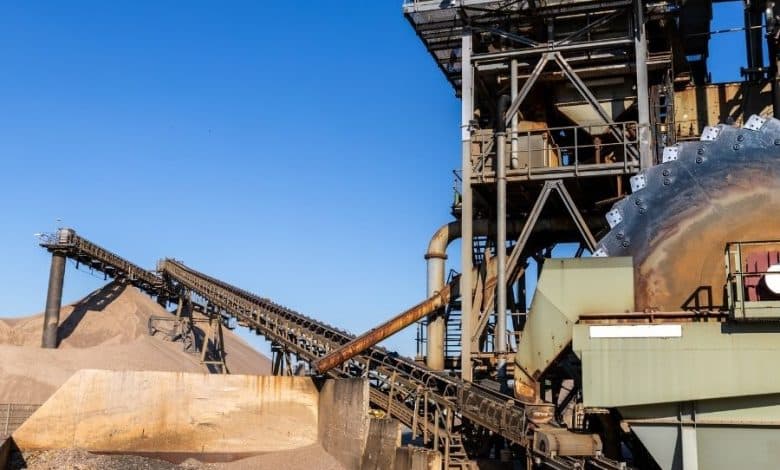
One of the most widely used solutions in large-scale operations is the stationary crushing plant. This type of plant is permanently installed at a specific site, typically in mining areas or quarries where long-term production is required. Unlike mobile systems, stationary plants are designed for durability and continuous high-capacity operation. They consist of multiple components, including crushers, screens, conveyors, and feeders, all working in harmony to process large volumes of material. The fixed nature of these plants allows for optimized layouts and robust infrastructure, ensuring consistent performance over extended periods.
The advantages of a stationary crushing plant lie primarily in its reliability and customization potential. Since it is installed in a fixed location, engineers can design the plant according to the specific characteristics of the site and the material being processed. Factors such as rock hardness, moisture content, and desired output size are all considered during the planning phase. This level of customization leads to improved efficiency and reduced operational costs. Additionally, stationary plants often incorporate advanced automation and monitoring systems, enabling operators to control the entire process with precision while maintaining high safety standards.
In contrast to stationary systems, the mobile crushing plant offers unmatched flexibility and mobility. These plants are mounted on wheeled or tracked platforms, allowing them to be easily transported between different job sites. This mobility is particularly beneficial for construction projects or temporary mining operations where the location of material processing may change frequently. By integrating crushing and screening functions into a single unit, mobile plants eliminate the need for multiple machines, reducing both setup time and operational complexity.
Mobile crushing plants are designed to deliver efficiency without compromising performance. Despite their compact structure, they are capable of processing a wide range of materials, including stones, minerals, and recycled debris. Their ability to operate directly at the extraction site minimizes the need for material transportation, which in turn reduces fuel consumption and environmental impact. Furthermore, the quick installation and dismantling processes make mobile plants a cost-effective solution for short-term projects or operations in remote areas.
Another essential category in this field is crushing and screening plants, which serve as comprehensive systems for material processing. These plants are designed to reduce the size of raw materials and separate them into different fractions based on size, shape, or other characteristics. They typically consist of primary, secondary, and sometimes tertiary crushers, along with screening equipment that ensures accurate classification of materials. This systematic approach allows industries to produce materials that meet specific standards required for further processing or direct use.
Crushing and screening plants play a crucial role in transforming raw materials into valuable resources. In mining operations, they are used to break down large rocks into smaller, manageable sizes before further processing. In the construction industry, these plants produce aggregates such as sand, gravel, and crushed stone, which are essential for building infrastructure. Recycling facilities also rely on these systems to process construction and demolition waste, turning it into reusable materials. This versatility highlights the importance of crushing and screening plants in supporting sustainable industrial practices.
The integration of modern technology has further enhanced the performance of these systems. Automation features allow operators to monitor equipment in real time, adjust settings remotely, and detect potential issues before they lead to downtime. Sensors and control systems ensure that the entire process runs smoothly, maintaining consistent product quality while minimizing energy consumption. These advancements not only improve efficiency but also contribute to safer working environments by reducing the need for manual intervention.
